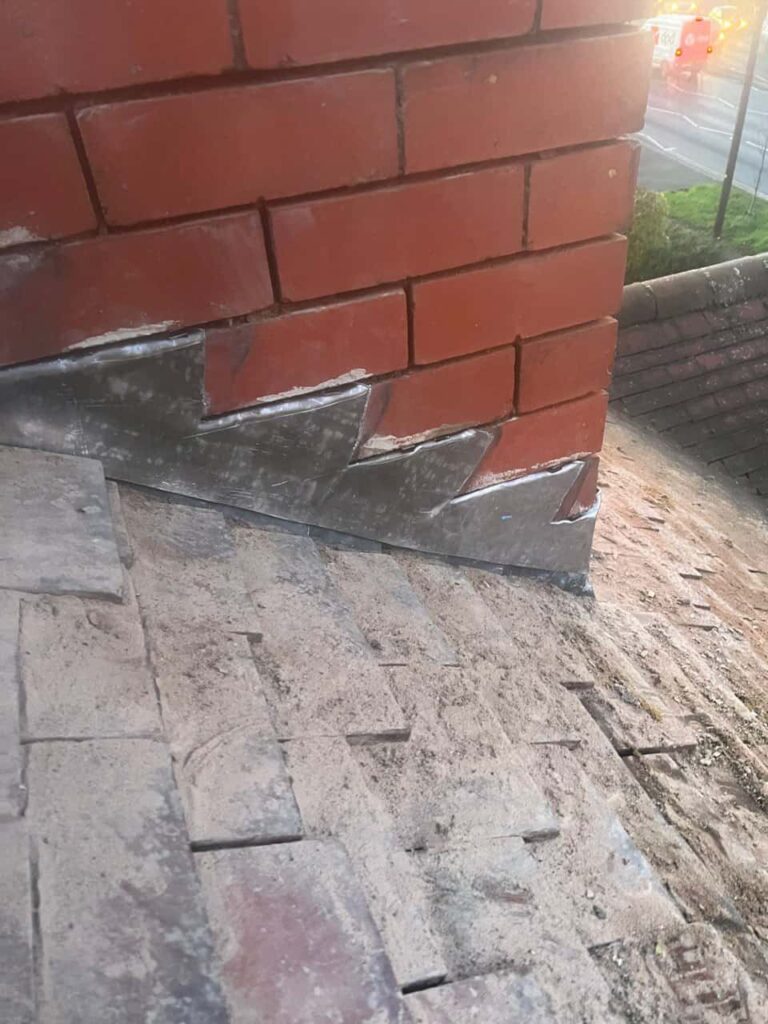
Your roof is your property’s first line of defence against the elements. Every day it is exposed to rain, wind, sunlight, frost and changing temperatures, all of which gradually affect its condition. While roofing materials are designed to withstand the British climate, no roof remains unaffected by years of weather exposure. Understanding how the weather influences roof performance can help homeowners recognise the importance of regular inspections and timely repairs.
For homeowners in Wigston, Nottinghamshire, keeping a roof in good condition is essential for maintaining a safe, dry and comfortable home. At Wigston Roofing Repairs, we provide professional roof repairs and new roof installations that help properties remain protected throughout every season.
Rain Slowly Wears Down Roofing Materials
Rainwater is something every roof is built to handle, but constant exposure over many years naturally takes its toll.
As roofing materials age, small cracks, worn mortar or damaged flashing can begin to allow moisture beneath the roof covering. Once water enters vulnerable areas, the effectiveness of the entire roofing system can be reduced.
Professional inspections help identify these issues before they develop into more significant problems.
Wind Places Constant Pressure on the Roof
Strong winds do more than lift the occasional roof tile.
Repeated exposure to windy conditions places continual stress on tiles, ridge systems, flashing and roof edges. Over time, this movement can loosen roofing components, making them more vulnerable during future storms.
Routine maintenance helps ensure the roof remains secure and performs as intended.
Temperature Changes Cause Natural Expansion and Contraction
Roofing materials expand during warmer weather and contract when temperatures fall.
This continual movement is perfectly normal, but over many years it can gradually affect joints, mortar and flashing. These small changes often happen so slowly that homeowners are unaware of them until visible signs of deterioration appear.
Regular roof inspections help detect weather-related wear before leaks develop.
Frost Can Accelerate Deterioration
Cold weather introduces another challenge for roofing materials.
Moisture that enters tiny cracks may freeze during colder periods, causing the cracks to expand. As this process repeats over successive seasons, small defects can gradually become much larger.
Early repairs help prevent frost damage from reducing the lifespan of the roof.
Sunlight Also Affects Roof Performance
Although rain often receives the most attention, prolonged sunlight also contributes to natural ageing.
Ultraviolet rays gradually affect certain roofing materials, while repeated heating and cooling cycles contribute to long-term wear. Even roofs that appear to be in good condition from ground level may slowly lose some of their original performance over time.
Professional assessments provide a clearer understanding of the roof’s overall condition.
Moss and Organic Growth Retain Moisture
Moss commonly develops on roofs that experience prolonged damp conditions.
While moss itself may seem harmless, it can trap moisture against roofing materials for extended periods. This prevents surfaces from drying efficiently after rainfall and may contribute to gradual deterioration if left unmanaged.
Regular roof maintenance helps keep surfaces clean and functioning effectively.
Minor Weather Damage Can Become Larger Problems
Weather-related deterioration rarely happens overnight.
Small defects caused by years of exposure often begin as isolated issues before gradually spreading if they are not repaired. Loose tiles, cracked mortar or damaged flashing may initially appear insignificant but can eventually affect much larger areas of the roof.
Addressing problems promptly helps preserve the roof’s overall performance.
Why Professional Roof Maintenance Is Important
Because weather affects every roof differently, professional inspections are invaluable.
Experienced roofers know where deterioration is most likely to occur and can identify developing problems that are not always visible from the ground. Timely repairs restore the roof’s ability to withstand future weather while helping to avoid more extensive deterioration.
At Wigston Roofing Repairs, we provide professional roof repairs and new roof installations throughout Wigston, Nottinghamshire. Every roof is carefully assessed to ensure repairs are completed to a high standard and that replacement is only recommended when it provides the most appropriate long-term solution.
Signs Weather May Be Affecting Your Roof
It may be time to arrange a professional roof inspection if you notice:
- Cracked, slipped or missing roof tiles.
- Loose ridge tiles or worn mortar.
- Water stains on ceilings or loft spaces.
- Damaged lead flashing.
- Moss accompanied by visible roof deterioration.
- Debris collecting in gutters after periods of strong wind.
Early attention helps prevent weather-related wear from developing into more serious roofing issues.
Conclusion
Weather affects every roof throughout its lifespan, gradually reducing its performance through rain, wind, temperature changes, frost and natural ageing. While this process is unavoidable, regular inspections and prompt repairs ensure your roof continues to provide reliable protection for your home.
For homeowners in Wigston, Nottinghamshire, Wigston Roofing Repairs provides expert roof repairs and new roof installations designed to keep properties protected in every season. If you are concerned that weather may be affecting your roof, our experienced team is ready to assess its condition and provide professional solutions that restore its strength, reliability and long-term performance.
Call us on: 0116 464 7498
Click here to find out more about Wigston Roofing Repairs
Click here to complete our contact form and see how we can help with your roofing needs.