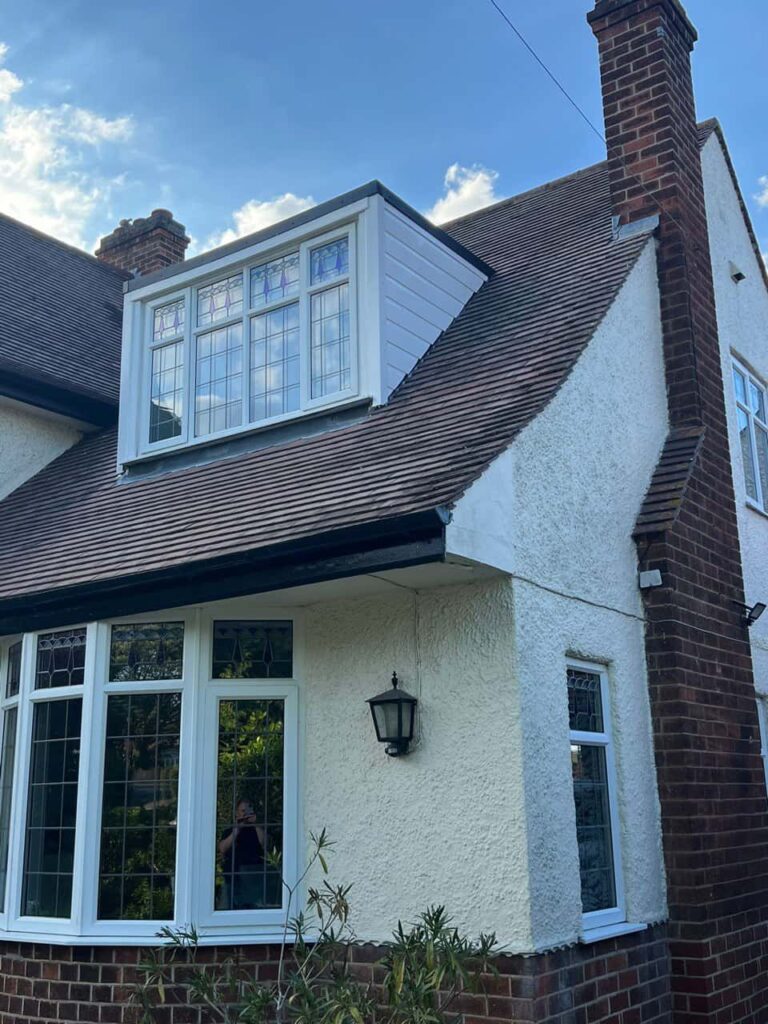
Fascias and soffits play an important role in protecting a property’s roofline. Although they are often overlooked, these components help support the guttering, protect the roof edges and prevent birds and other pests from entering the roof space. When they become damaged or deteriorate, moisture can reach vulnerable parts of the roof structure and lead to further problems.
For property owners in Wigston, Nottingham, regular roofline maintenance can help identify defects early and keep the roof in good condition. Wigston Roofing Repairs provides professional fascia and soffit repairs to help restore damaged roofline components and maintain effective protection around the edges of your property.
What Are Fascias and Soffits?
Fascias are the boards fixed along the lower edge of a roof, where the roof covering meets the external walls. They commonly provide support for the guttering and help protect the ends of the roof rafters from exposure.
Soffits are fitted underneath the roof overhang, bridging the gap between the wall and the fascia. They help enclose the roof edge and may incorporate ventilation to support airflow through the roof space.
Both components work alongside the guttering and other roofline features. If one part becomes damaged, it can affect drainage, ventilation or the protection provided to the roof structure.
Common Problems That Affect Fascias and Soffits
Recognising the warning signs of roofline damage can help you arrange repairs before the problem becomes more extensive.
1. Rotting or Deteriorating Timber
Timber fascias and soffits can deteriorate when they are repeatedly exposed to moisture. Damaged paintwork, peeling finishes and persistent water contact can leave the wood vulnerable to rot.
Look for soft or crumbling sections, discolouration and areas where the timber appears to be breaking down. Rotting boards may struggle to support guttering securely, particularly if the deterioration has spread around the fixings.
Where damage is limited, repairs or replacement of individual sections may be possible. More extensive deterioration may require broader roofline work to ensure the affected components remain secure.
2. Cracked, Loose or Warped Boards
Fascias and soffits can become cracked, warped or loose as materials age and experience changing temperatures and weather conditions. Fixings may also weaken over time, allowing boards to move away from the roof edge.
Loose sections can leave gaps that expose the roofline to moisture and provide access points for birds or pests. Warped boards may also affect the appearance of the property and make it harder for guttering to remain correctly positioned.
A professional inspection can establish whether the affected boards can be repaired securely or need replacing.
3. Water Damage Around the Guttering
Fascia boards often support the guttering, so problems with drainage can contribute to roofline deterioration. Blocked gutters, leaking joints or overflowing rainwater can repeatedly wet the boards beneath them.
Signs to watch for include water staining, peeling paint, damp patches beneath the roof edge and visible deterioration around gutter brackets.
Keeping gutters clear of accessible debris can help water drain properly. However, if the fascia has already become damaged or the guttering is pulling away, professional repairs may be necessary to restore a secure and effective roofline.
4. Poor Soffit Ventilation
Some soffit systems include ventilation openings that help air circulate through the roof space. If these openings become blocked, airflow may be reduced, potentially contributing to condensation and moisture-related problems.
Check for visible obstructions and signs of persistent damp around the roofline. Ventilation problems can have several causes, so it is important to assess the wider roof space rather than assuming the soffit is solely responsible.
Professional advice can help determine whether the ventilation provision is suitable and whether repairs or adjustments are needed.
5. Gaps That Allow Birds or Pests to Enter
Damaged or missing soffit sections can create openings beneath the roof overhang. Birds and other pests may use these gaps to access sheltered spaces within the roof structure.
Listen for unusual activity near the eaves and look for visible gaps or loose panels from a safe position. Damaged sections should be repaired appropriately to restore the enclosure while maintaining any ventilation the roof requires.
How to Maintain Your Roofline
Regular checks can help keep fascias and soffits in good condition and identify developing problems early.
- Inspect the roof edges periodically: Look for cracks, loose boards, peeling finishes and signs of water damage from ground level.
- Keep guttering clear: Remove accessible leaves and debris so rainwater can drain away rather than overflowing onto the fascia.
- Look for drainage problems: Check for visible leaks, overflowing gutters and water staining around the roofline.
- Maintain timber finishes: Where appropriate, keep exposed timber protected with suitable coatings and address damaged finishes promptly.
- Arrange repairs when needed: Loose, rotten or missing sections should be assessed before moisture or further deterioration affects surrounding components.
Avoid climbing ladders or attempting roofline repairs without suitable equipment and experience. Fascias and soffits are often positioned at height, and damaged boards may not provide reliable support.
When Should You Arrange Professional Fascia and Soffit Repairs?
Professional attention is advisable when roofline boards are visibly rotten, detached, cracked or no longer supporting the guttering securely. Repairs should also be considered when water repeatedly overflows onto the roof edge or gaps appear beneath the eaves.
The appropriate solution depends on the material, the extent of the damage and the condition of the surrounding roofline. In some cases, replacing a small section may be sufficient. Where deterioration is widespread, more comprehensive repairs may be required.
Wigston Roofing Repairs can assess the condition of your roofline and recommend suitable work to help protect the roof edges and maintain effective drainage.
Conclusion
Fascias and soffits help protect the roof structure, support guttering and maintain a neat, secure roofline. Rotting timber, loose boards, water damage, blocked ventilation and gaps beneath the eaves are all signs that maintenance or repairs may be needed.
If your roofline is showing signs of deterioration, Wigston Roofing Repairs can help identify the problem and discuss appropriate repairs for your property in Wigston, Nottingham. Contact the team to arrange professional assistance and keep your roofline in good condition.
Call us on: 0116 464 7498
Click here to find out more about Wigston Roofing Repairs
Click here to complete our contact form and see how we can help with your roofing needs.